ACU seal
AGRUPACIÓN CATÓLICA
UNIVERSITARIA
A STUDY GROUP INQUIRY

Evolution,
Intelligent Design,
& the Catholic Mind

An honest inquiry into origins, evidence, and faith.
Ad Majorem Dei Gloriam
I
Part One

The Official
Stance of the
Catholic Church

Let us begin where the Magisterium begins — with what the Church actually teaches, and where the teaching leaves us room to think.

Foundations


What the Church
Actually Teaches

The position is more nuanced than is commonly understood.

  • God is the Creator of all things, visible and invisible — Nicene Creed
  • The Church does not forbid research into evolution as it pertains to the human body
  • The human soul is immediately created by God — it is not the product of material processes
  • The process of creation was not accidental or purposeless
  • Science and faith are not in opposition

1950 · 1996 · 2007


A Century of
Papal Teaching

Pius XII · 1950
Humani
Generis
Encyclical on false opinions threatening Catholic doctrine

Evolution of the body may be explored by competent inquiry — but the soul is immediately created by God.

John Paul II · 1996
Address to the
Pontifical Academy
Message to the Pontifical Academy of Sciences

Evolution is "more than a hypothesis" — yet any account of human origins must reckon with the spiritual soul.

Benedict XVI · 2007
Creation
and Evolution
Meeting with clergy of the Diocese of Belluno

"There is no opposition between faith's understanding of creation and the evidence of the empirical sciences."

  Catechism 283 — scientific discoveries "invite us to even greater admiration for the greatness of the Creator."

Where the teaching leaves us


The Logical Gap

True — but incomplete. This is the gap we will fill.

The Church Says

  • God created everything
  • Evolution is permissible to study
  • The process is not purposeless
  • Science and faith are compatible

But Does Not Say

  • …how
  • …nor endorse it as complete
  • …nor explain the mechanism of purpose
  • …nor show where they connect
II
Part Two

Examining
the Evidence

State the question. Present the strongest objections. Give the answer. Reply to each objection on its own terms.

How we will proceed


Our Method

An honest method for an honest question.

I
State the
Question

Name it plainly, without evasion.

II
Present the
Strongest Objections

Take the other side at its best.

III
Give the
Answer

Say what we hold, and why.

IV
Reply to Each
Objection

On its own terms, in fairness.

Truth has nothing to fear from honest inquiry.

Defining our terms


What Is
"Evolution"?

The word has quietly shifted meaning.

Darwin · 1859

A Mechanism

Descent with modification through natural selection. Organisms better suited to their environments tend to survive and reproduce; over time, small variations accumulate.

Darwin described a process. He made no metaphysical claim about purpose, meaning, or design.

Modern usage

A Worldview

All life arose from a single common ancestor through purely unguided, purposeless, material processes.

A word now carrying philosophical baggage that goes beyond the observable science.

When someone says "I believe in evolution" — ask: which part?

Defining our terms


What Is
Intelligent Design?

An inference from evidence — not a leap of faith.

The proposition that certain features of the natural world are best explained by an intelligent cause, rather than by undirected natural processes alone. It is the same inferential reasoning we use in forensics, archaeology, and SETI.

Angle I

Philosophical

Complex specified information — coded, functional, patterned — is, in every known context, the product of a mind. Why should biology be the sole exception?

Angle II

Scientific

Markers of design: specified complexity, irreducible complexity, information content. ID does not specify who the designer is — a narrower claim than creationism.

Angle III

Theological

Aquinas's Fifth Way: things which lack intelligence move toward an end only when directed by a mind — as the arrow is directed by the archer.

Taking the evidence seriously


The Case For Evolution

The strongest pillars, presented fairly.
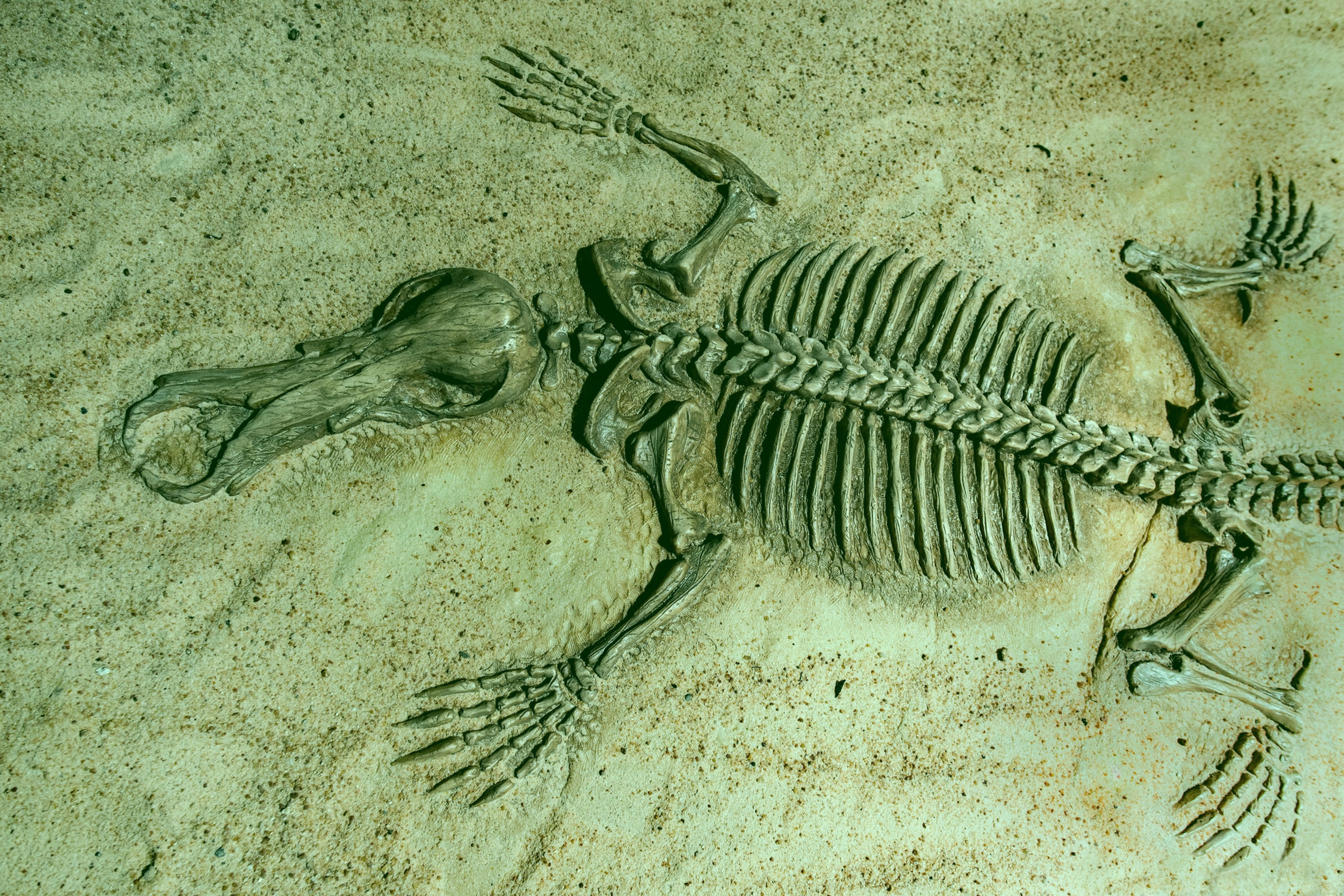
Fossilized skeleton

I

Fossil
Record

Increasing complexity over geological time; transitional forms between major groups.
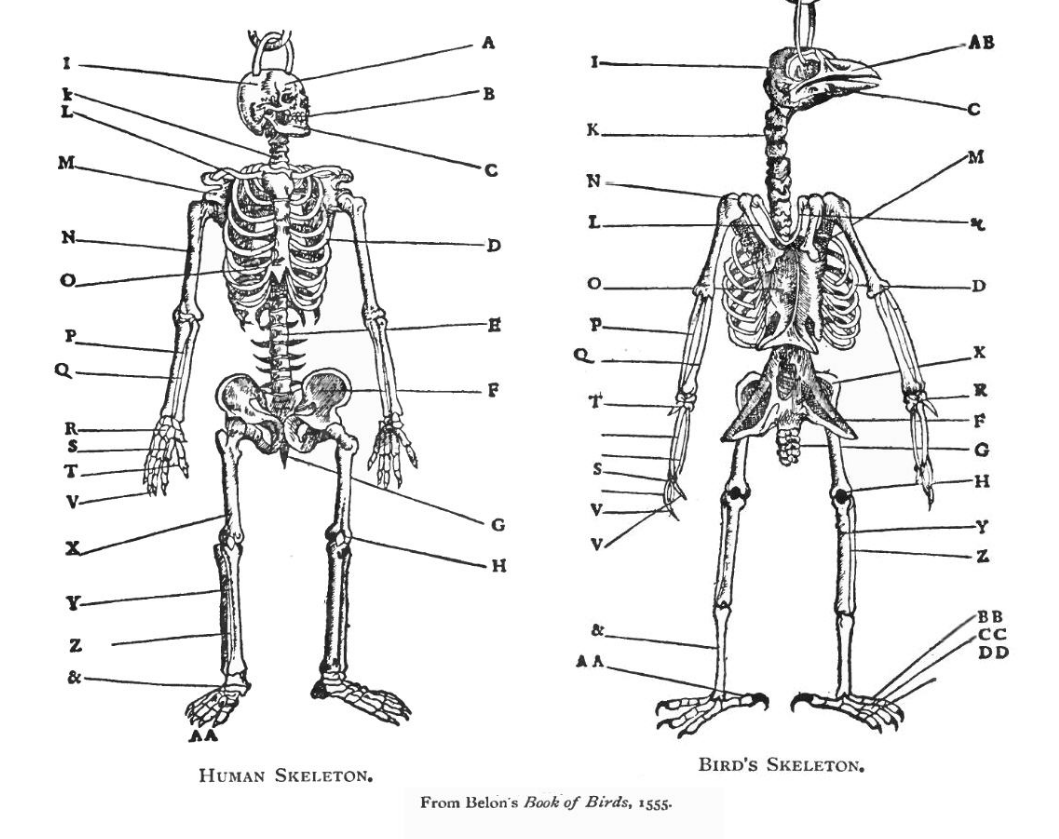
Homologous human and bird skeletons

II

Comparative
Anatomy

Structural homologies across species suggest shared ancestry.
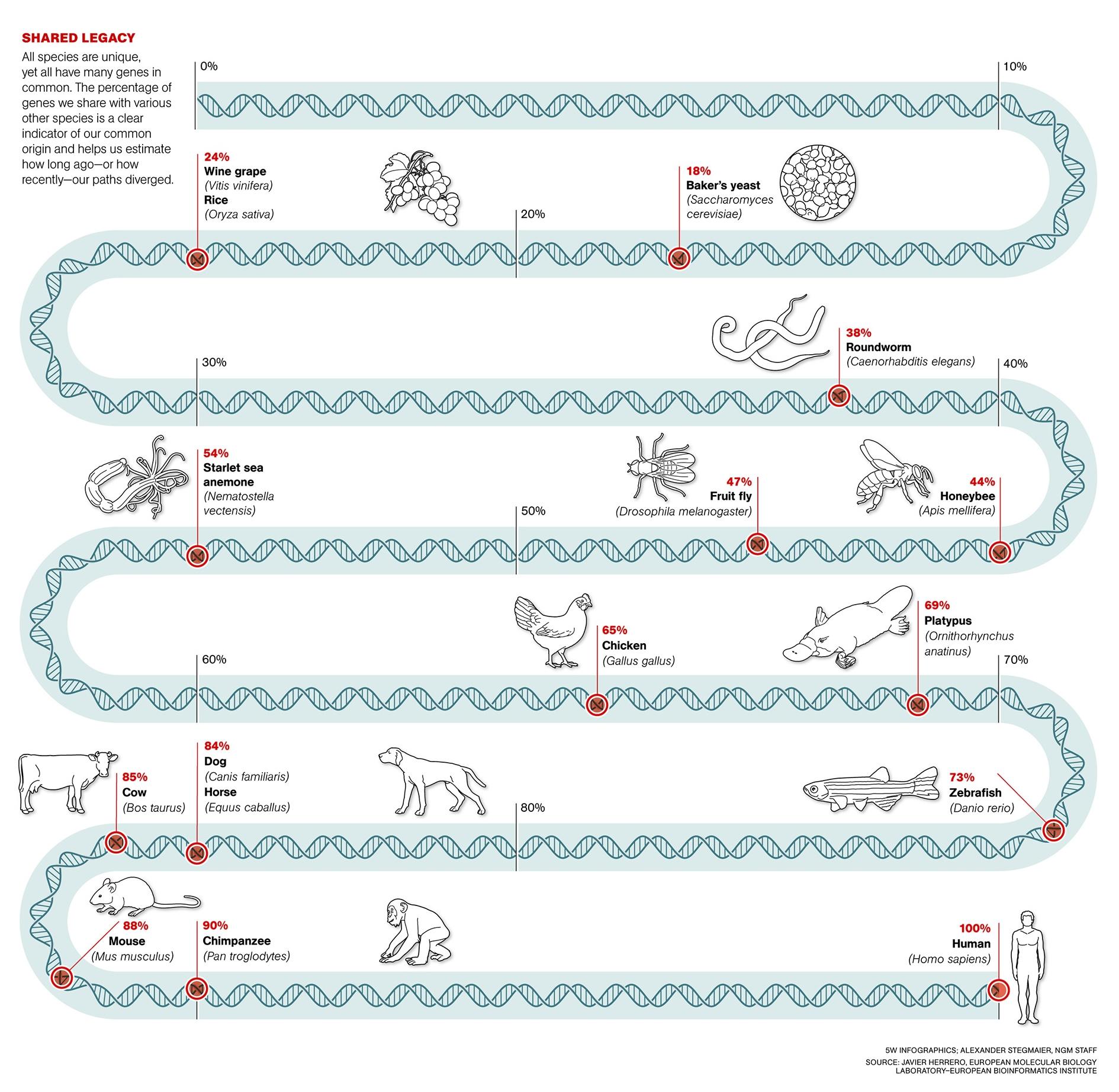
Shared DNA across species

III

Genetics &
Molecular Biology

Shared DNA across organisms; similarity tracks apparent relatedness.
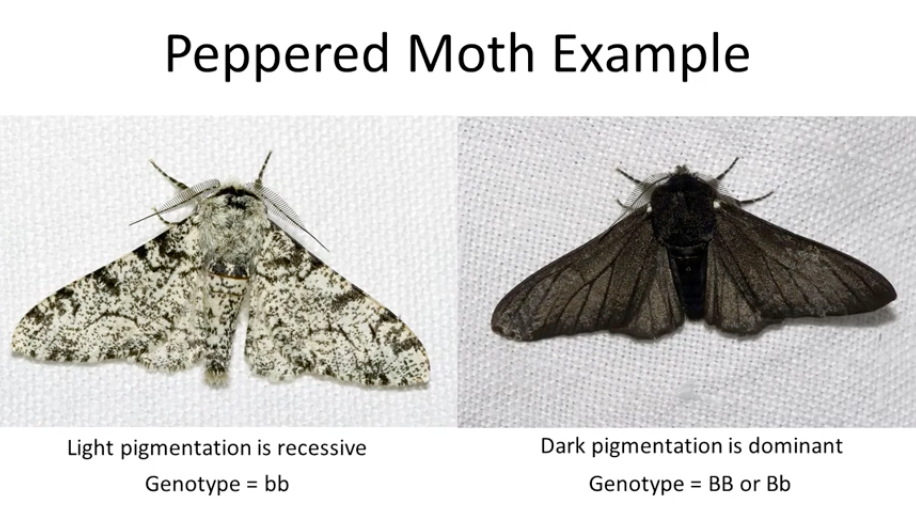
Peppered moth — light and dark morphs

IV

Direct
Observation

Microevolution in bacteria, insects, and short-generation organisms.
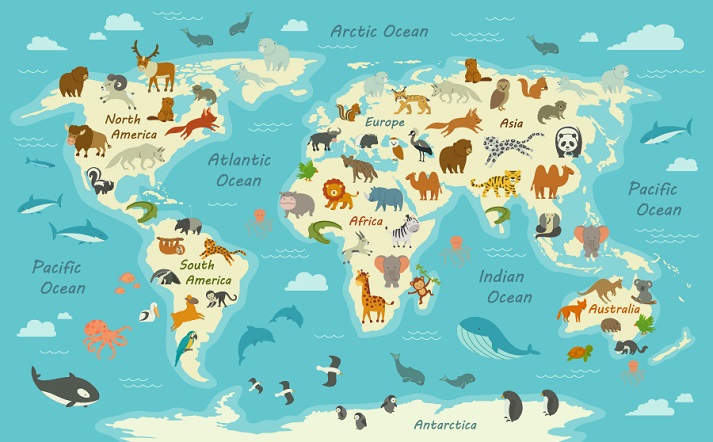
World map of animal distribution

V

Biogeography

Species distribution aligns with predicted population divergence.

These are real evidences. They deserve to be taken seriously. We are not dismissing them.

Problems that rarely reach the textbooks


The Case Against

Equally serious — and unresolved.
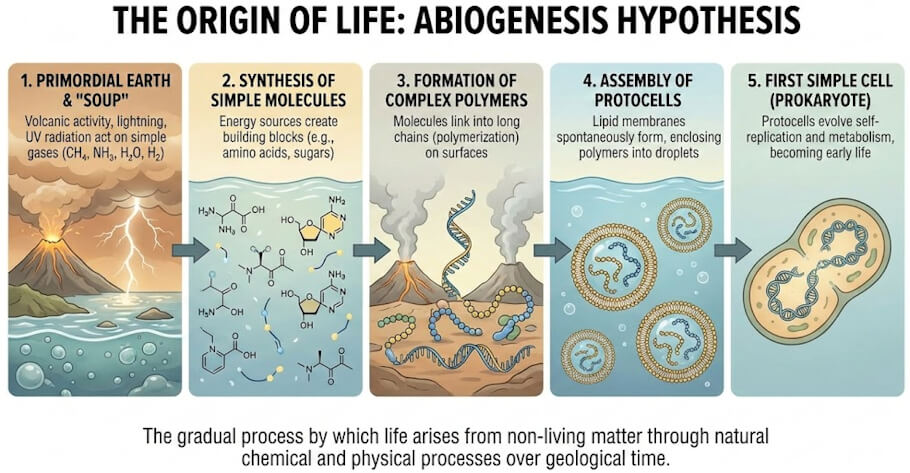
Abiogenesis hypothesis diagram

I

Origin of
Life

Abiogenesis has no established mechanism. The gap between chemistry and the simplest cell remains vast and unexplained.
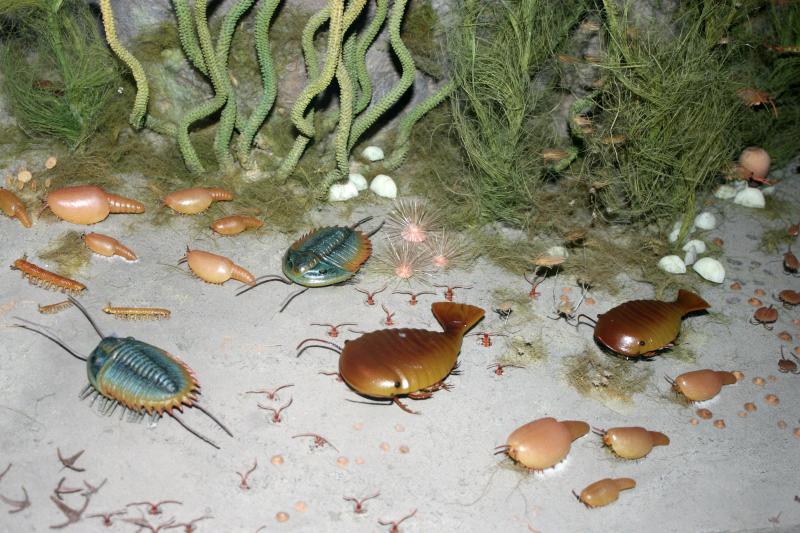
Cambrian marine life

II

The Cambrian
Explosion

Most major body plans appear suddenly, within ~10–20 million years. Opposite of gradualist prediction.
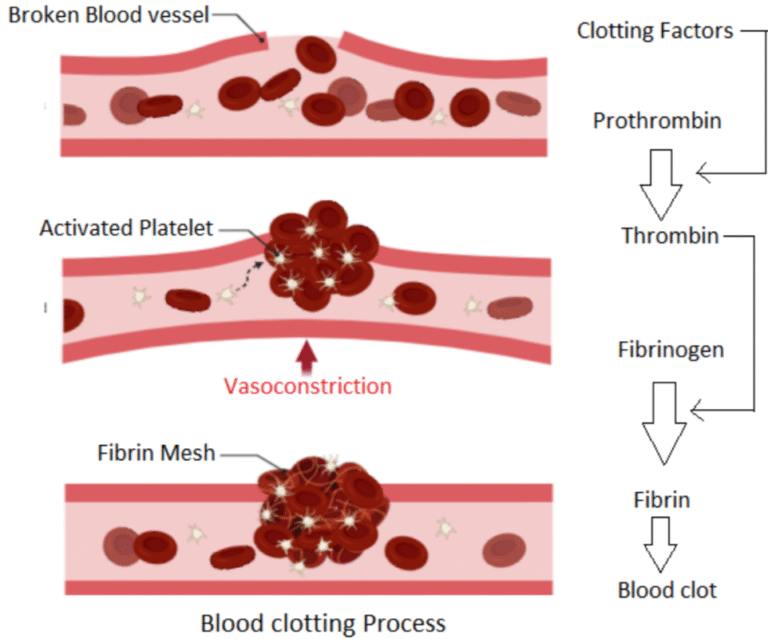
Blood clotting cascade

III

Irreducible
Complexity

Flagellum, blood clotting cascade — systems of interdependent parts whose intermediates would have no function.
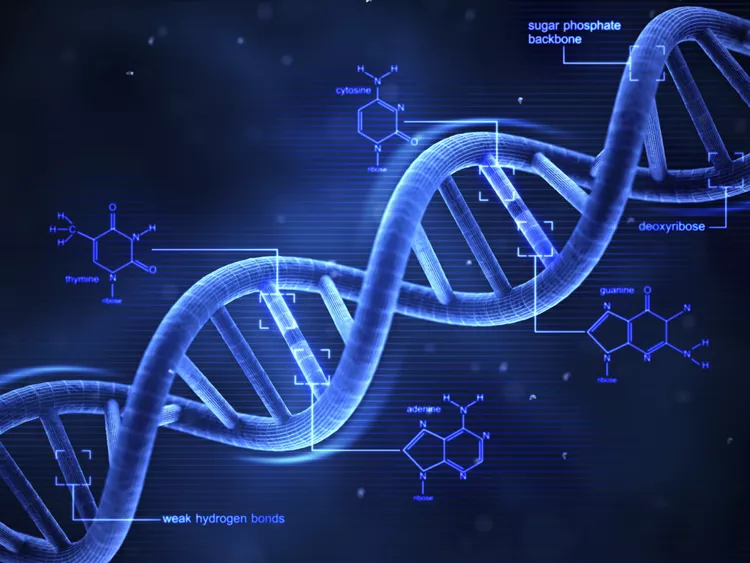
DNA double helix

IV

DNA &
Information

The origin of coded, functional information has no demonstrated naturalistic explanation.
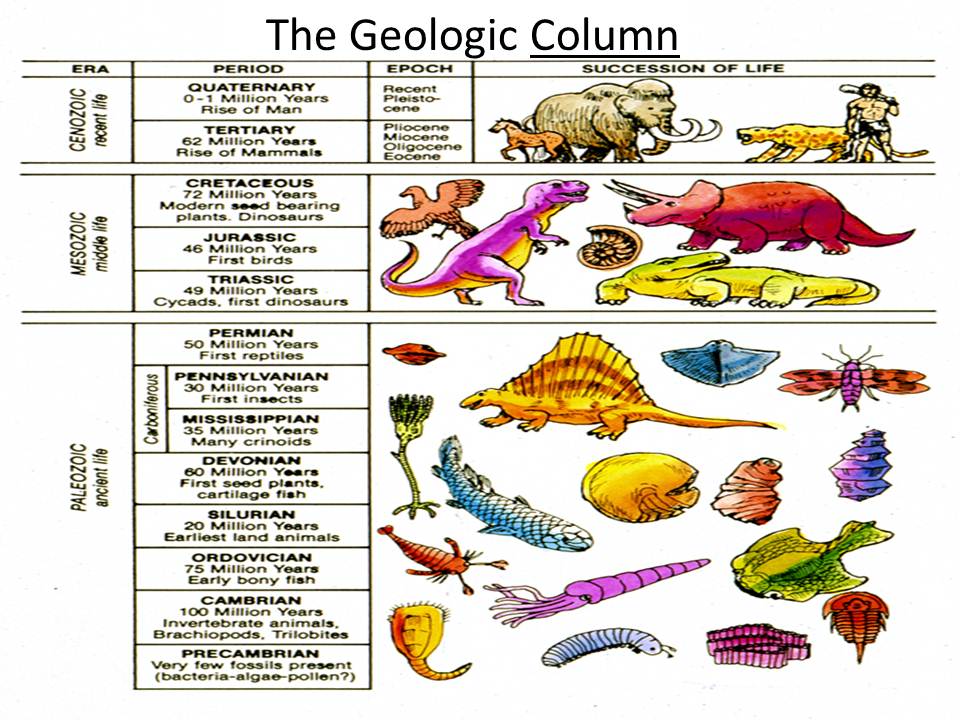
Geologic column with succession of life

V

Fossil
Gaps

"The extreme rarity of transitional forms… persists as the trade secret of paleontology." — S.J. Gould
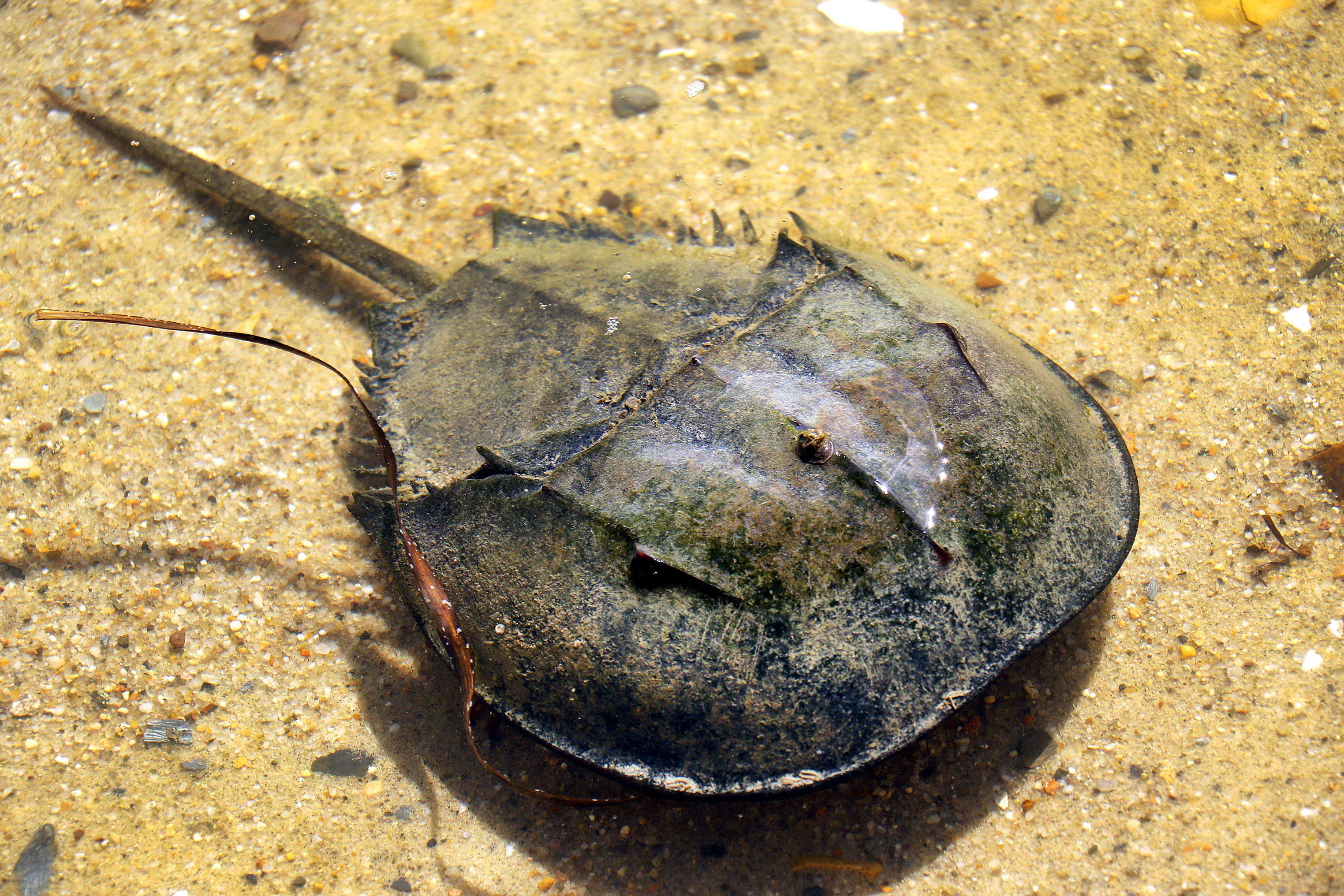
Living horseshoe crab — unchanged 450 million years

VI

Stasis

Horseshoe crab: 450M years. Nautilus: 500M years. Coelacanth: unchanged. Why would the engine of change leave these untouched?

Underneath the science


The Philosophical
Core of the Disagreement

The deepest disputes are not scientific — they are philosophical.

Axis I

Materialism
vs.
Teleology

Does nature have purpose? The materialist says no. The Thomist says yes — and holds that "final causation" is as real as matter.

Axis II

Randomness
vs.
Providence

In biology, "random" means unforeseeable relative to the organism — not uncaused, not meaningless in an ultimate sense. The popular leap to "purposeless" is philosophy, not science.

Axis III

Reductionism
vs.
Holism

The more we learn about cells and ecosystems, the more we find layered, interlocking systems of remarkable order — not fewer questions, but more.

III
Part Three

Anti-Religious
Arguments &
Their Counterparts

Five common objections to faith-based reasoning about origins — and the responses. A fair hearing for both sides.

Objection 01 of 05


"God of
the Gaps"

The Argument

Science erodes the role of God

Invoking God to explain what science has not yet explained is intellectual laziness. As science advances, the gaps shrink — and God becomes unnecessary.

The Counterpart

The gaps are getting larger, not smaller

ID is not an argument from ignorance. It is an inference from what we do know — complex specified information, in every known context, comes from a mind. The more we learn about the cell, DNA, and molecular machinery, the stronger the design inference becomes.

Objection 02 of 05


"Science Can Only
Study Natural Causes"

The Argument

Methodological naturalism rules ID out

Science, by definition, cannot consider supernatural causes. Therefore Intelligent Design is not science.

The Counterpart

A method — not a proven fact about reality

Design detection is practiced in forensics, archaeology, cryptography, and SETI — all of which infer intelligent causation from patterns in evidence. If the evidence points to design, refusing to consider design is not science — it is philosophy disguised as science.

Objection 03 of 05


"Evolution Is a Fact"

Which evolution?

The Argument

Overwhelming evidence — denying it denies science

Evolution is supported by fossils, genetics, anatomy, direct observation, and biogeography. To deny it is anti-scientific.

The Counterpart

Microevolution, yes. Macroevolution, inferred.

Small changes within populations — observed. No one denies it. The leap from "bacteria develop antibiotic resistance" to "bacteria became elephants over billions of years" is not a small leap — it is an extrapolation. That extrapolation is precisely the question at issue.

Objection 04 of 05


"No Evidence
For a Designer"

The Argument

Design is faith, not science

There is no empirical, testable evidence for an intelligent designer. The design argument is a matter of belief.

The Counterpart — If these don't count, what would?

Bacterial Flagellum
A rotary motor with ~40 protein components, operating at up to 100,000 RPM.
DNA
A four-letter digital code with error-correction, compression, and regulatory logic.
ATP Synthase
A molecular turbine spinning at 7,000 RPM in every living cell.
The Human Eye
Darwin himself called it "absurd in the highest degree."
Zinc Spark
At fertilization, billions of zinc atoms released in timed waves.
Foramen Ovale
A fetal heart pre-built for two circulatory modes — switching at first breath.

Objection 05 of 05


"Religion Is
Anti-Science"

History — and the present — say otherwise.
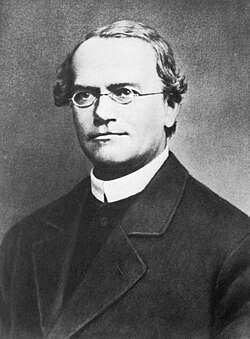
Gregor Mendel
1822–1884
Gregor
Mendel
Augustinian friar
Founded genetics from his monastery garden.
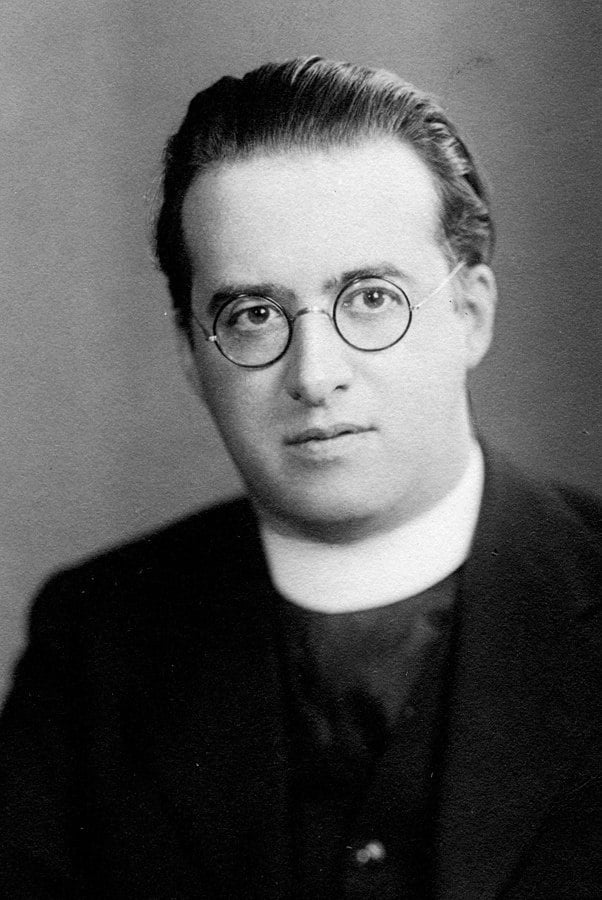
Georges Lemaître
1894–1966
Georges
Lemaître
Catholic priest
Proposed the Big Bang. Einstein initially dismissed it.
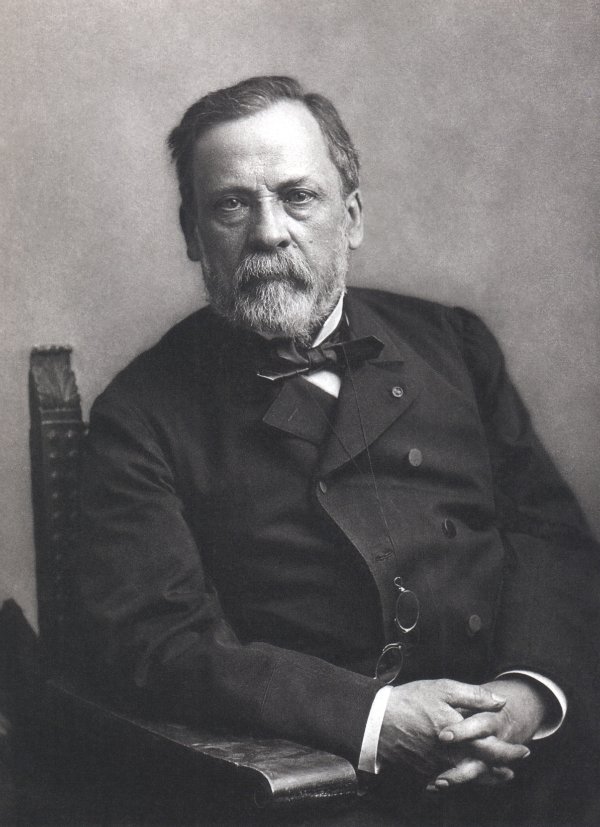
Louis Pasteur
1822–1895
Louis
Pasteur
Catholic layman
Germ theory, vaccination, pasteurization.
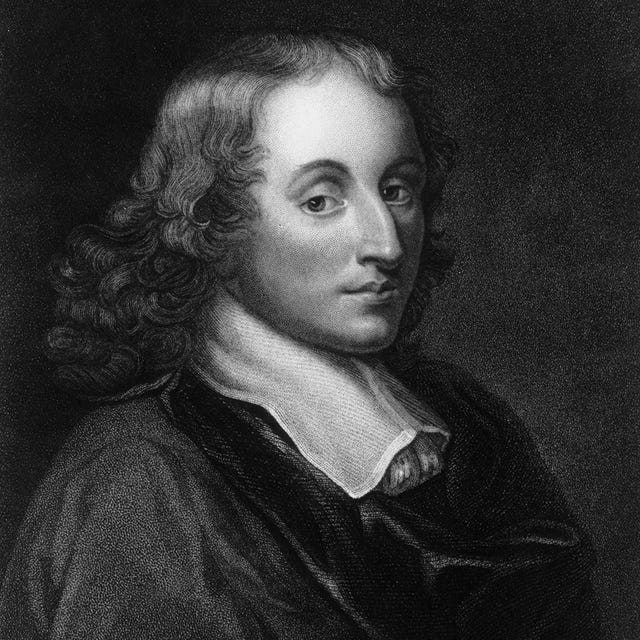
Blaise Pascal
1623–1662
Blaise
Pascal
Devout Catholic
Probability theory, hydrostatics, the Pensées.
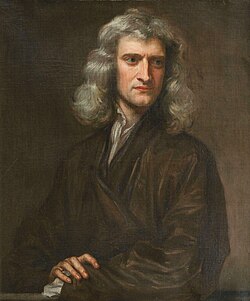
Isaac Newton
1643–1727
Isaac
Newton
Devout theist
Classical mechanics, optics, calculus.
IV
Part Four

Doubts Against
Classical
Evolution Theory

Not opinions — evidence. Specific, documented problems with the standard evolutionary narrative.

Textbook vs. evidence


What We Were Taught
Was an Oversimplification
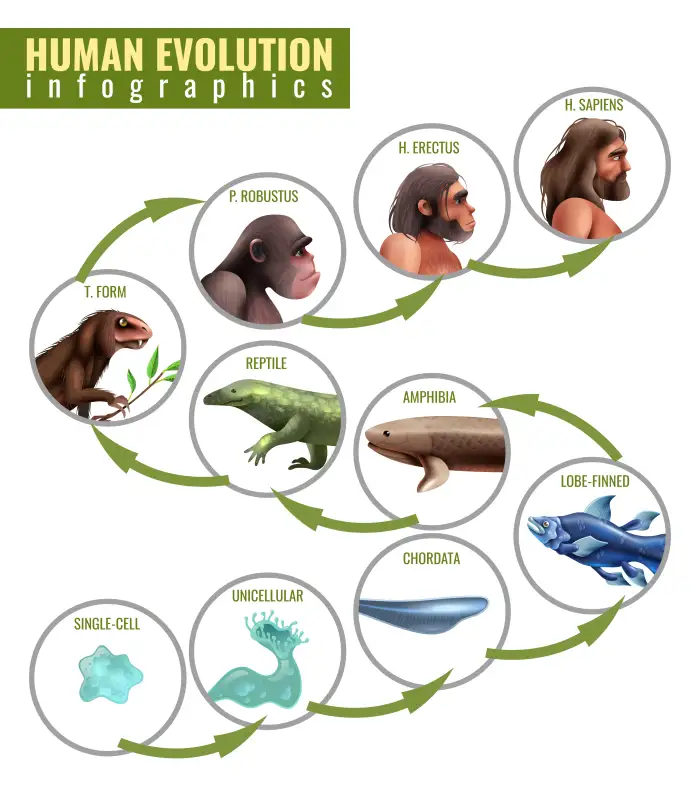
The narrative

Clean, linear, inevitable

Textbook diagram of linear evolution from single cell to H. sapiens

Single-cell → chordata → fish → amphibian → reptile → primate → us.

The evidence

Messy, branching, discontinuous

A smooth succession makes for a good diagram. The record makes for a harder story: dead ends, sudden appearances, unclear relationships, and persistent debate among specialists about how major transitions actually occurred.

The arrows in our textbooks are drawn — not observed.

Acknowledged open questions


Unsolved Problems
in Evolution

I
Origin of
Life
No mechanism for the origin of life from non-living matter. The gap from chemistry to cell is vast.
II
Genetic
Information
No naturalistic explanation for the origin of DNA's coded, functional information.
III
Sexual
Reproduction
"The queen of problems in evolutionary biology." Why would it arise, given its cost?
IV
Convergent
Evolution
Unrelated species arriving at the same solutions — camera eyes, echolocation, powered flight.
V
Consciousness
& Reason
Chalmers's "hard problem." How does subjective experience arise from physical matter?

These are not fringe objections. They are acknowledged open problems in mainstream biology.

What the rocks actually show


The Fossil Record's
Testimony

TODAY 0 Ma
Stasis — horseshoe crabs, coelacanth, nautilus 450–500 Ma
Gaps, sudden appearances
CAMBRIAN EXPLOSION 541 Ma
Ediacaran soft-bodied forms 635 Ma
Simple single-celled organisms ~3.5 Ga
  • The Cambrian Explosion: most major body plans appear suddenly, without precursors, in a geologically brief window
  • Systematic gaps in transitional fossils — openly acknowledged by Stephen Jay Gould
  • Stasis: organisms unchanged for hundreds of millions of years, untouched by the supposed engine of change
  • Soft tissue in dinosaur fossils raises questions about preservation timelines

Useful tools — not infallible clocks


How We Test Fossils
(and the limits of our methods)

Carbon-14

Organic material, ≤ 50,000 years

Only reliable for relatively recent organic samples. Cannot date rocks or geological time. Contamination — modern or ancient carbon introduced during handling — produces real, documented errors.

Radiometric

Three unprovable assumptions

  • I.  Decay rate has been constant
  • II.  Initial conditions are known
  • III.  The system has remained closed

If material entered or left the sample, the calculated age is wrong.

These methods produce calculated estimates — not direct measurements of time.

A quiet contradiction


The Hypocrisy of
Evolution Experiments

75,000+
Generations of E. coli
under Lenski's hand
Carefully controlled. Intelligently designed.

Every major evolution experiment is designed by intelligent agents. Scientists select the organism, control the environment, introduce specific pressures, and interpret results.

If an intelligently designed experiment produces a result — what has been demonstrated? That unguided processes produce order? Or that guided ones do?

The methodology presupposes what the conclusion is supposed to deny.

V
Part Five

The Synthesis

Stop criticizing. Start building. What if the truest account of origins isn't evolution or design — but a framework that holds both?

A change of direction


From Critique
to Synthesis

Enough tearing down. Let us build.

The great intellectual tradition of the Church has never been polemical at its best — it has been synthetic. When its greatest minds have encountered ideas from outside, the deepest response has not been rejection, but integration.

Aristotle's philosophy was once viewed with deep suspicion. Then Aquinas baptized it — finding what was true, and showing how it fit within a larger framework.

We should bring that same disposition to the question of evolution.

A classical framework


The Four Causes of Evolution

Not competing explanations — answers to different questions.

I · Material
What is it
made of?
The stuff of the process
Evolution. The physical, biological mechanism of genetic variation, natural selection, and adaptation.
II · Formal
What is its
pattern?
The blueprint that organizes matter
DNA. The encoded information that gives structure, identity, and function to every living thing.
III · Efficient
Who
made it?
The reason there are natural processes at all
The Designer. God, the First Cause, who is not a being among beings but Being itself.
IV · Final
What is
it for?
The end toward which the process moves
So that beings may know & love their Creator — and come to understand the very process through which creation unfolds.
Perhaps evolution is the brush.
But there is a Painter.
Mechanism
Evolution may be the material process by which life develops.
Framework
Intelligent Design may be why that mechanism exists, works, and moves.
VI
Part Six

Scientists Who
Found Faith

Not an argument from ignorance. Brilliant minds — former atheists, world-class scientists — who followed the evidence and arrived at faith.

Appeal to authority


Scientists Who Found Faith

Brilliant minds who followed the evidence where it led.

MW
Dr. Ming Wang
Harvard/MIT · Eye Surgeon
Former atheist. 55,000+ eye surgeries. The eye's complexity led him to Christ.
FC
Dr. Francis Collins
Geneticist · NIH Director
Led the Human Genome Project. DNA's elegance pointed him to a Creator.
JT
Dr. James Tour
Rice University · Chemist
700+ papers. Origin-of-life research, he says, is "wholly misinformed."
AF
Antony Flew
Oxford · Philosopher
The world's most famous atheist for 50 years. DNA changed his mind.
RP
Dr. Rosalind Picard
MIT · Engineer
Invented affective computing. "I once thought I was too smart to believe."
JE
Sir John Eccles
Nobel · Neuroscience
Concluded the mind cannot be reduced to the brain.
AM
Dr. Alister McGrath
Oxford · Biochemist
Christianity offers a more coherent account of reality than atheism.
And many more.
A common thread
Different fields. Different countries. The same trajectory.

What they share


The Common Thread

The courage to follow the evidence where it leads.

  • Different countries. Different fields. Different starting points.
  • None were predisposed to faith. Most were hostile to it.
  • None arrived at belief through ignorance of science — they arrived through the practice of science.
  • The complexity they encountered pointed them not toward a universe that assembled itself by accident, but toward one that bears the fingerprints of a Mind.
You don’t have to choose
between science and faith.
You can choose science and faith.

Over cafecito


For Discussion

I
When we say we "believe in evolution," what exactly are we affirming — a mechanism, a worldview, or both?
II
Is it intellectually honest to use the same word for observable adaptation and for the claim that all life is unguided?
III
If the experiments that demonstrate evolution are themselves intelligently designed, what does that tell us?

Appendix


Further Reading

Summa Theologica, I, Q. 2, A. 3 — The Five Ways
St. Thomas Aquinas
Darwin's Black Box
Michael Behe
Humani Generis
Pope Pius XII · 1950
Signature in the Cell
Stephen Meyer
Fides et Ratio
Pope St. John Paul II · 1998
The Language of God
Francis Collins
In the Beginning…
Pope Benedict XVI
There Is a God
Antony Flew
Mind and Cosmos
Thomas Nagel
From Darkness to Sight
Dr. Ming Wang

  Ad Majorem Dei Gloriam